Close
Back

From now on you can download videos from our website
If you would also like to subscribe to the newsletter and receive our latest updates, click on the button below.
Enter the email address you registered with and we will send you a code to reset your password.
The password must be at least 12 characters long, no spaces, include upper/lowercase letters, numbers and symbols.
Click the button to return to the page you were on and log in with your new password.
Updated: 15 September 2026
To carry out its operations, missions and other activities, NATO needs Allies to invest in interoperable, cutting-edge and cost-effective equipment. To that end, NATO plays an important role in helping Allies decide how and where to invest in their defence. With NATO’s support, groups of interested countries have established a wide range of High Visibility Projects (HVPs), pooling their resources to jointly procure, develop and deliver the key defence capabilities needed for Allied security.

A fighter jet receives air-to-air refuelling from a Multi Role Tanker Transport (MRTT) aircraft, one of the multinational capabilities that Allies have developed together. Photo: NATO
NATO’s High Visibility Projects (HVPs) are one of the key tools at NATO’s disposal to enable Allies to develop and deliver capabilities together. Based on a jointly identified capability gap, groups of interested Allies (and, in some cases, NATO partners) work together to fill that gap. HVPs range across operational domains and types of capabilities. They vary greatly in terms of participants, objectives and timelines.
All HVPs share the common objective of delivering critical capabilities to Allied forces, and thereby strengthening the Alliance’s deterrence and defence. By working together, participating countries not only gain access to new capabilities that they could not acquire on their own, but also increase the interoperability of their equipment, training, doctrine and procedures with other Allies, enhancing their ability to work together in combined operations.
So far, NATO Allies have launched more than three dozen HVPs, which range across all domains and capability requirements, in line with the NATO Defence Planning Process.
The Conference of National Armaments Directors (CNAD) is NATO’s principal senior committee overseeing multinational cooperation on capability development and delivery. The CNAD identifies opportunities for collaborative research, development and production of military equipment and weapons systems, and is responsible for a number of cooperative armaments projects that aim to equip NATO forces with cutting-edge capabilities.
The majority of HVPs are currently being facilitated by the NATO International Staff, while some have been handed over to an executing agent, including the NATO Support and Procurement Agency (NSPA), the NATO Communications and Information Agency (NCIA) or a lead nation. Others have reached full operational capability and are delivering on their objectives without any need for further facilitation.
As the executing agent in the implementation phase of a significant number of HVPs, the NSPA is the intermediary between the participating countries and industry. This can happen at different levels: the NSPA can invite industry to present solutions for Allies to acquire, it can be involved in the procurement process, or it can even negotiate on behalf of countries with industry.
To launch a new HVP, Defence Ministers of the countries involved sign an initial document, called a Letter of Intent (LOI), outlining the general cooperation idea and ensuring the required political commitment. This is followed by the signature of a Memorandum of Understanding (MOU), a legally binding document specifying the details of cooperation. The MOUs provide the necessary legal framework for the execution of the implementation phase towards the delivery of the specific capability.
NATO supports a wide range of projects in the land domain, covering areas such as military mobility and counter-mobility, air and missile defence, engineering vehicles and systems, munitions and launch systems, and much more.
/annual-report-2022/land-exercises/ramstein-legacy/52144518817_11c3561dc7_o.jpg/jcr:content/renditions/cq5dam.web.1280.1280.jpeg)
Missile launches from Polish weapons system during exercise Ramstein Legacy 22. Photo: NATO
Purpose: Russia’s war of aggression against Ukraine has shown that the threat of long-range strikes is growing and evolving fast. These threats require Allies to develop not only effective air and missile defence capabilities, but also deep precision strike capabilities that deter aggression, raising the costs of attacks by potential adversaries. However, developing and producing advanced strike capabilities is complex and costly. By leveraging multinational projects and joint procurement, Allies can share development costs, accelerate timelines, achieve economies of scale and field capabilities more quickly than if done alone. The Ground-Based Precision Strike Capabilities project is exploring the multinational development of novel deep precision strike capabilities, including new launchers and missiles.
Participants: Denmark, France, Italy, Norway, Türkiye and the United Kingdom
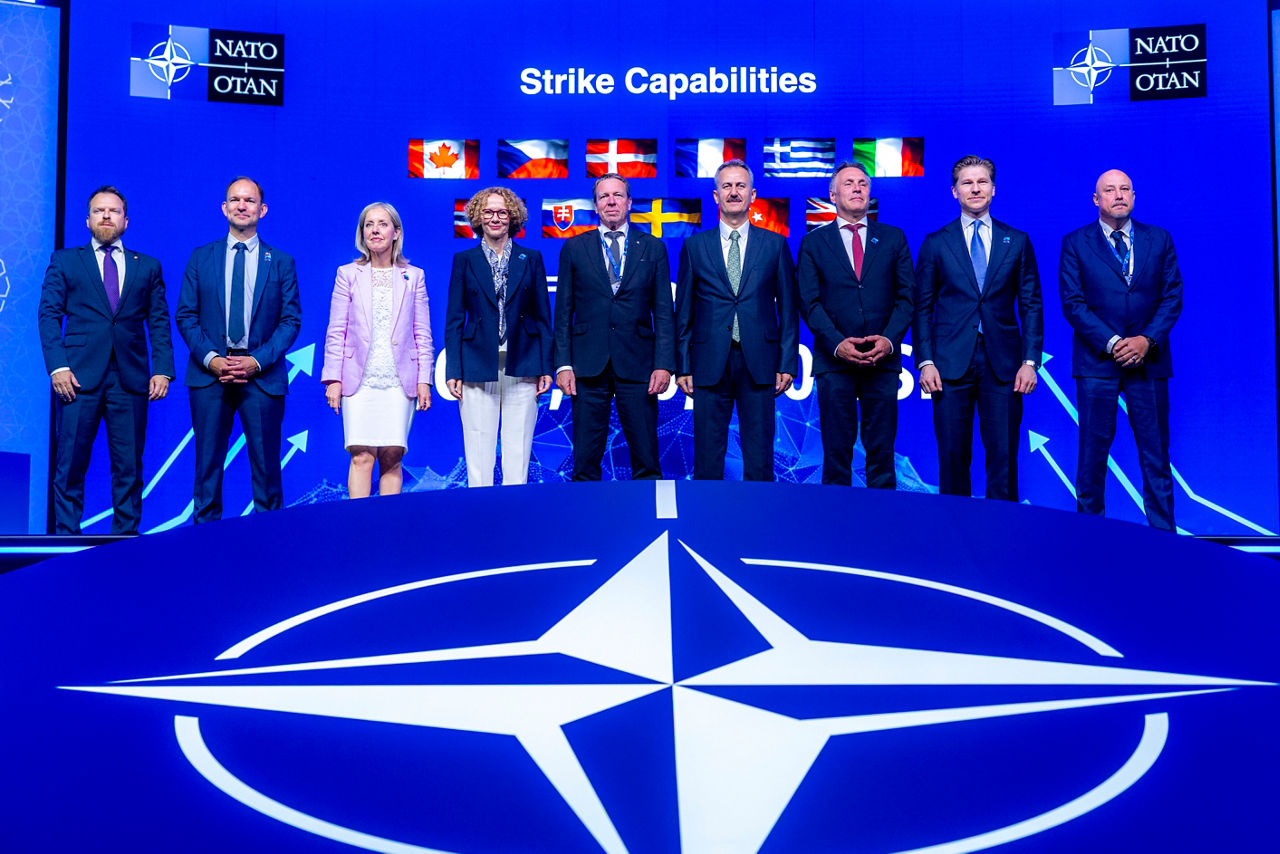
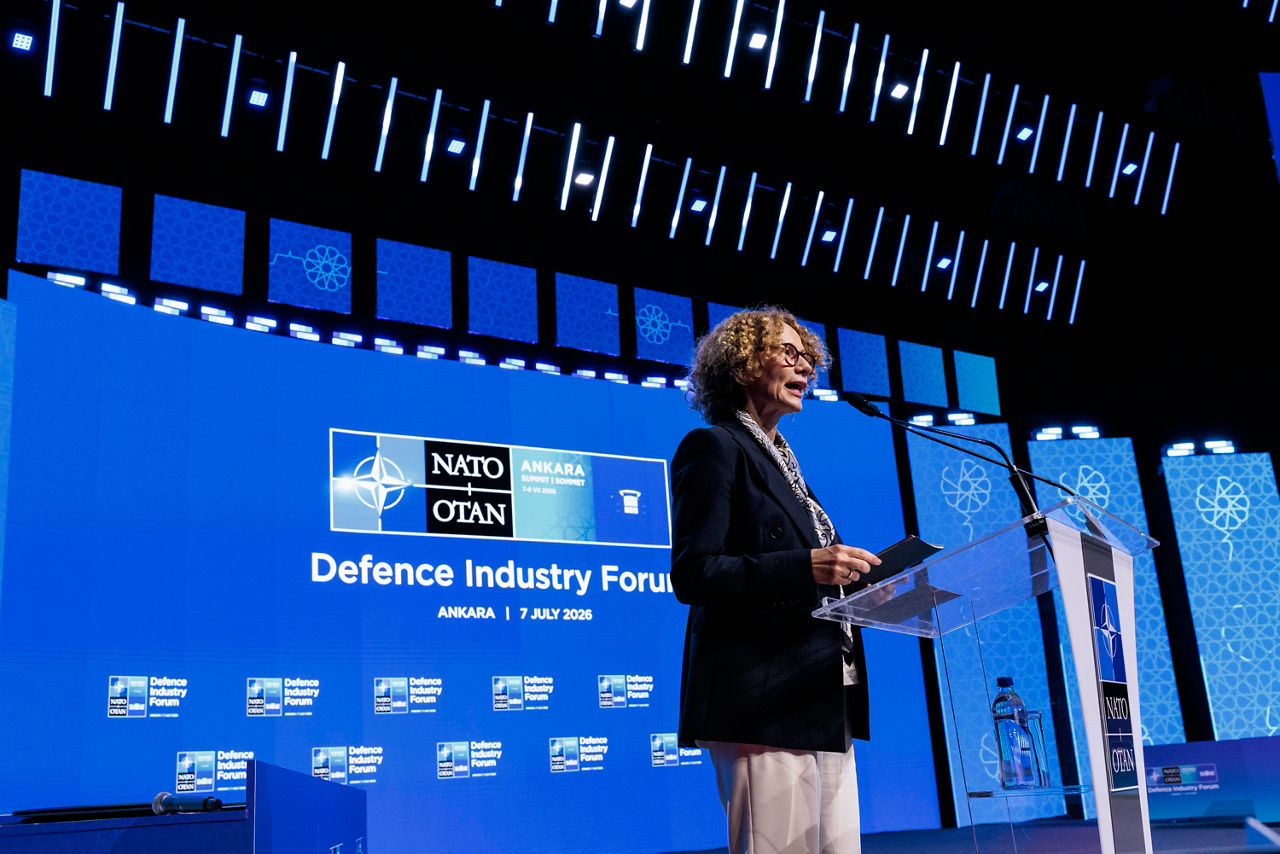
Status: Launched. The initiative was established at the 2026 NATO Summit Defence Industry Forum in Ankara on 7 July 2026.
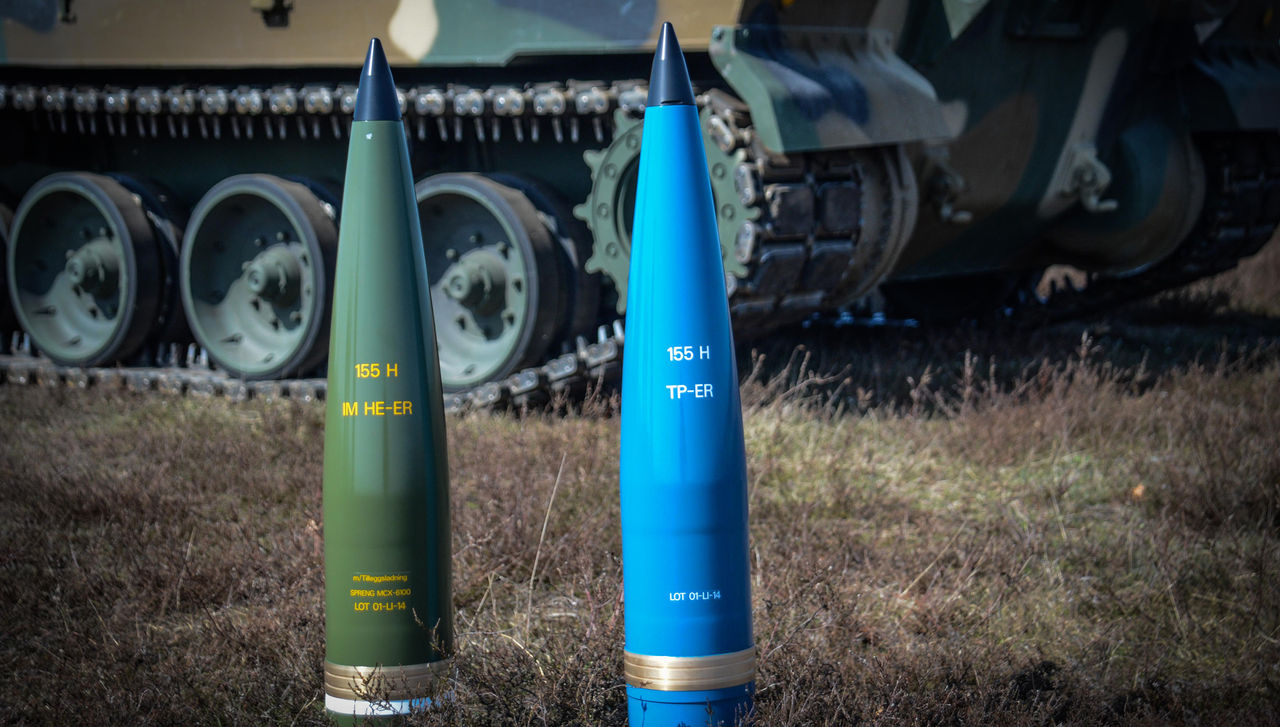
Two 155mm artillery munition shells placed in front of a tank. Photo: Nammo
Purpose: The Generic NATO Indirect Fire Round (GENIFR) initiative will conduct initial feasibility studies and prototyping of a generic NATO 155mm munition round. Subsequent steps will consist of full development and potential introduction for large-scale production across Allied munition manufacturers. Developing a generic 155mm round will increase interoperability, enabling Allies to more easily share ammunition between their various weapons systems.
Participants: Canada, Czechia, Denmark, Finland, Norway, Slovakia, Sweden and Türkiye
Status: Launched. GENIFR was established at the 2026 NATO Summit Defence Industry Forum in Ankara on 7 July 2026.
In the air domain, participating countries are pursuing HVPs focused on procuring and developing drones, passive air surveillance sensors and helicopters. They are also working on projects to enhance air-to-air refuelling and strategic airlift capacity, as well as crewed and uncrewed aerial surveillance.
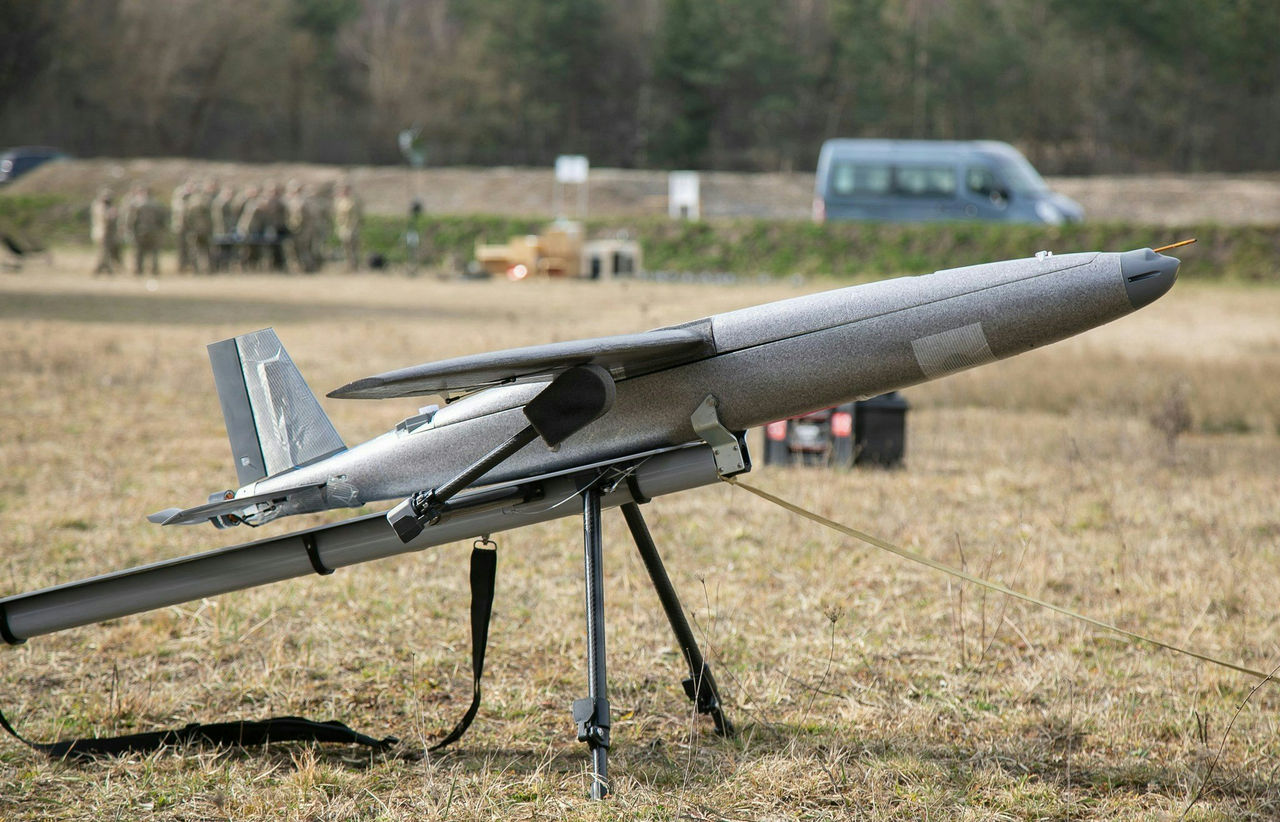
A US Army one-way attack Hornet Drone at Grafenwoehr Training Area, Germany, March 2026. Photo: US Army, Spc. Thomas Dixon
Purpose: This initiative focuses on the joint development and fielding of deep precision strike capabilities, utilising drone technology. Noting the current battlefield dynamics in ongoing conflicts, such as in Russia’s war of aggression against Ukraine, multinational cooperation in the area of innovative deep precision strike capabilities will enable a more efficient fulfilment of national and NATO capability requirements. It will also provide an opportunity to explore multinational cooperation with non-traditional industry, as the capability can be developed by non-traditional defence industry.
Participants: Denmark, Estonia, Lithuania, the Netherlands, Poland, Türkiye
Status: Launched. The initiative was established at the meeting of NATO Defence Ministers in February 2026.
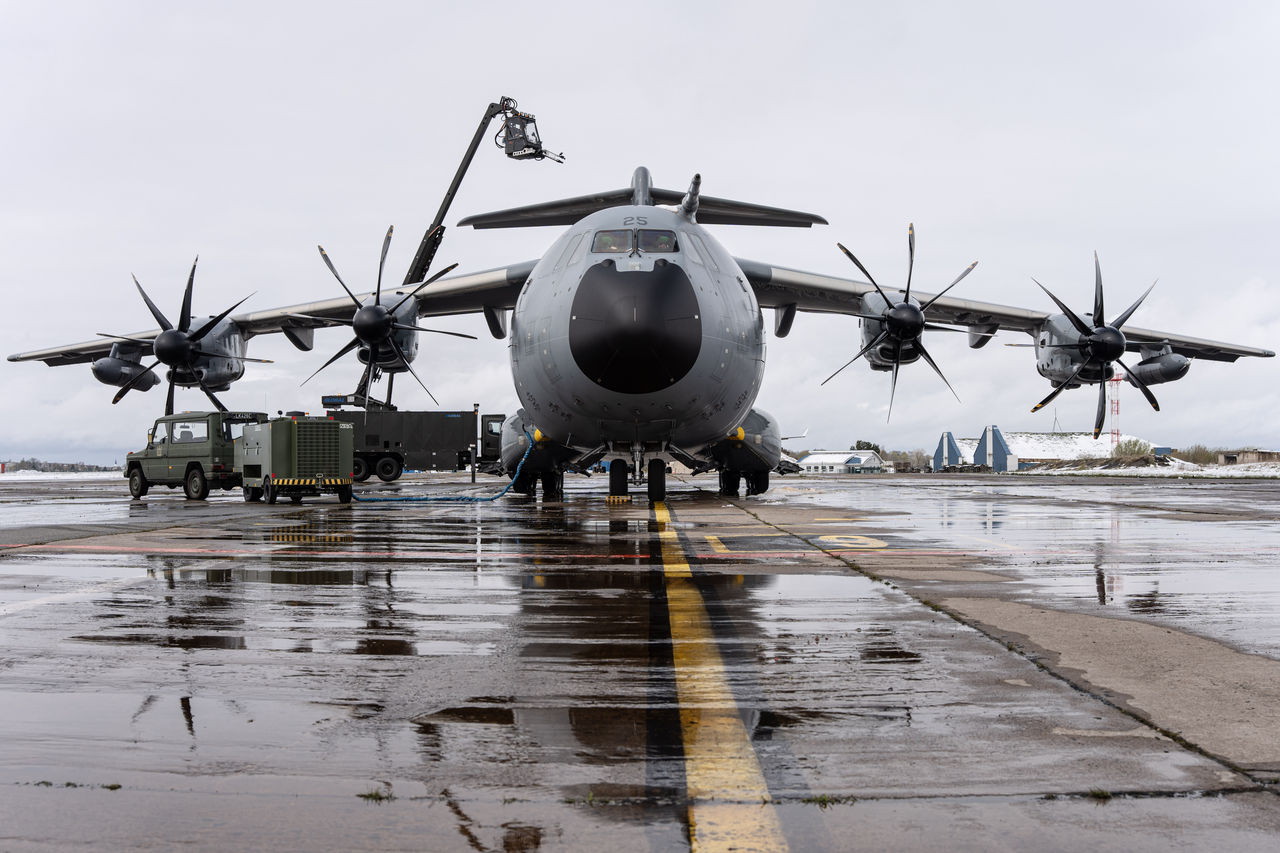
A Spanish Air Force A400M undergoes de-icing before take-off during exercise Ramstein Alloy, April 2024. Photo: NATO.
Purpose: This initiative aims to enhance NATO’s strategic airlift capacity, enabling the movement of military assets across the Alliance. It will utilise a variety of cooperation arrangements to facilitate access to the Airbus A400M Atlas, an aircraft that gives NATO and Allied forces much greater operational flexibility through its unique characteristics of a high-payload capacity and long range. Cooperation will range from the exchange of lessons learned and best practices surrounding the A400M’s operations all the way to sharing flight hours, infrastructure, training, operation and maintenance, as well as jointly procuring new platforms, with the objective of modelling the successful multinational fleet model of the Multi Role Tanker Transport Capability (MRTT-C) programme.
Participants: Belgium, Croatia, France, Poland, Spain, Türkiye and the United Kingdom
Status: Launched. The initiative was established at the 2026 NATO Summit Defence Industry Forum in Ankara on 7 July 2026.
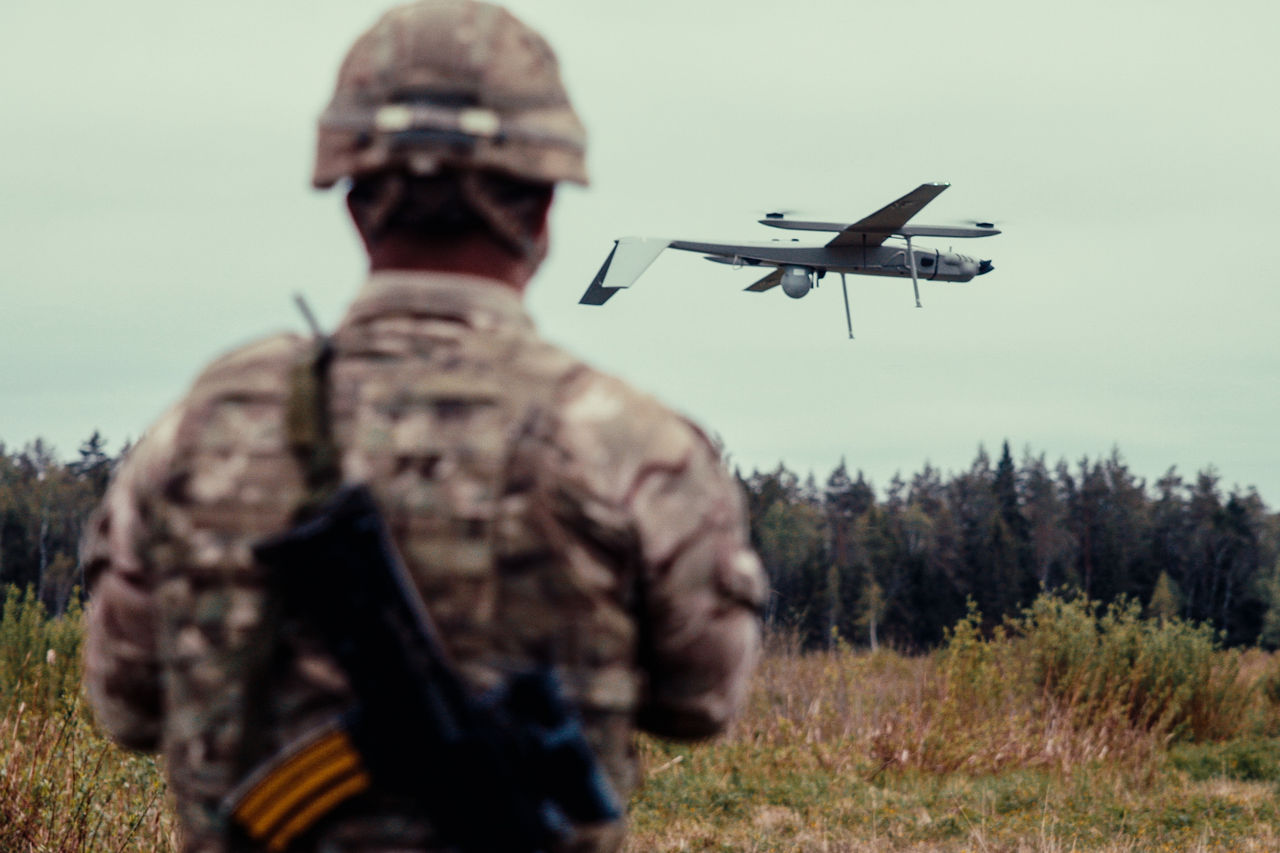
A British Army soldier watches a reconnaissance drone during exercise Spring Storm 26 in Estonia, May 2026. Photo: NATO
Purpose: Russia’s brutal war against Ukraine has shown how effective and dangerous technologies such as small drones can be in conflict. Increasing NATO’s ability to detect, identify, track and respond to these new threats while exploiting technological advances for enhanced deterrence and defence is essential to the Alliance. Through the lower-level air threats initiative, participating Allies are committed to developing more efficient solutions to defend against lower-level air threats – that is, threats flying below 150 metres (500 feet), which is less than half the height of the Eiffel Tower.
Participants: Belgium, Denmark, Estonia, Finland, France, Greece, Latvia, Lithuania, the Netherlands, Norway, Portugal, Romania, Spain, Türkiye and the United Kingdom
Status: Launched. The lower-level air threats initiative was established at the meeting of NATO Defence Ministers in February 2025.

NATO MRTT (Airbus A330) aircraft. Photo: NATO
Purpose: The MRTT is a multi-function aircraft that can transport cargo and troops, and serve as an aerial refuel tanker. Air-to-air refuelling tankers are especially critical for the projection of air power. As they are a pooled asset, interoperability is essential. The MRTT project enables participating Allies to collectively acquire Airbus A330 Multi Role Tanker Transport aircraft, establishing a multinationally owned and operated fleet of MRTTs. For this initiative, NATO and the European Union (EU) joined forces, as both organisations identified shortfalls in air-to-air refuelling and the participating Allies, with the exception of Norway, are also members of the EU. As such, it is an example of the close cooperation between NATO and the EU.
Participants: Belgium, Czechia, Denmark, Finland, Germany, Luxembourg, the Netherlands, Norway and Sweden
Status: Delivering. The first aircraft was delivered in June 2020. The MRTT fleet reached full operational capability in March 2026. Ten aircraft in the fleet are already in service. The 11th and 12th aircraft will be delivered in mid-2028 and early 2029, respectively.
NATO’s HVPs in the maritime domain have helped develop capabilities for detecting and clearing mines, tracking submarines, conducting aerial surveillance and reconnaissance, and ensuring that NATO Allies have the munitions needed to carry out maritime operations.
/annual-report-2022/naval-exercises/exercise-repmus-dynamic-messenger-drones/52391330022_aa48698b57_o.jpg/jcr:content/renditions/cq5dam.web.1280.1280.jpeg)
A US Navy common uncrewed surface vehicle (CUSV) during sea trials as part of exercise REPMUS in Portugal, September 2022. Photo: NATO
Purpose: Uncrewed systems are an increasingly important capability for NATO, enhancing the Alliance's ability to respond to threats in the maritime domain. To facilitate multinational cooperation in this area, a group of Allied and partner countries have joined forces via the MUS initiative to develop tailor-made solutions including, but not limited to, systems for detecting and clearing mines, as well as tracking submarines.
Participants: Belgium, Bulgaria, Canada, Denmark, France, Germany, Greece, Italy, the Netherlands, Norway, Poland, Portugal, Spain, Türkiye, the United Kingdom, the United States and NATO partner Australia
Status: Delivering. Following its launch in October 2018, the MUS initiative contributed to the establishment of the largest annual operational exercise dedicated to the integration of maritime uncrewed systems within Allied navies. Portugal has hosted exercise REPMUS since September 2019, bringing together Allies and partners to test new maritime uncrewed systems. Furthermore, a wide range of interconnected implementation work strands has been transferred to a Joint Capability Group under the Conference of National Armaments Directors, encouraging continuous advancements in MUS among all 32 Allies.
Space is an operational domain of critical importance to the Alliance's security and prosperity. The information gathered and delivered through satellites underpins key NATO activities, operations and missions, including collective defence, crisis response and counter-terrorism. NATO has launched several HVPs in the space domain, focused on satellite surveillance, missile tracking, high-speed communications and launch capabilities.

Graphic illustration of multiple types of satellites. Illustration: Maxar Technologies
Purpose: This initiative aims to build a pathway for Allies to connect and integrate sovereign, nationally owned and controlled military satellites into a networked mega constellation. HALO will develop a resilient, layered, multinational network for Allies to integrate their capabilities into an interoperable space architecture. The initiative will initially focus on situational awareness, and eventually expand its capabilities to include targeting and early warning, as well as integrated air and missile defence. By connecting a wide array of satellites from NATO Allies, HALO will overcome the cost, time and coverage limitations of single-nation satellite fleets.
Participants: Canada, Denmark, Finland, Germany, the Netherlands, Norway, Sweden and Türkiye
Status: Launched. The HALO initiative was established at the 2026 NATO Summit Defence Industry Forum in Ankara on 7 July 2026.

Satellite view from space. Photo: Office of Satellite and Product Operations, National Oceanic and Atmospheric Administration
Purpose: The Alliance Persistent Surveillance from Space (APSS) initiative will enhance cooperation on space-based surveillance in support of the implementation of NATO’s overarching Space Policy. Space-based assets, such as satellites, can provide real-time information on the movement of enemy forces, weather conditions and terrain – essential information for understanding the battlefield and making informed decisions. This new mechanism will establish a large-scale, virtual constellation of national and commercial surveillance satellites, called “Aquila”. It will provide the Alliance with faster and better intelligence, integrate even more space-based data into NATO’s intelligence ecosystem and leverage technological breakthroughs from the commercial sector. Luxembourg's early contribution of EUR 16.5 million has laid the groundwork for this transformative initiative, enabling participating countries to contribute to Aquila through their own assets, data and/or funds.
Participants: Belgium, Bulgaria, Canada, Denmark, Finland, France, Germany, Greece, Hungary, Italy, Luxembourg, the Netherlands, Norway, Poland, Romania, Spain, Sweden, Türkiye and the United States
Status: Delivering. The APSS initiative was launched in February 2023. So far, 19 Allies have contributed the equivalent of more than USD 1 billion to leverage commercial and national space assets, and to expand advanced exploitation capacities.
Effective digital systems are a fundamental requirement for military operations, and for strengthening resilience against cyber threats. In recent years, NATO has been significantly enhancing its digital infrastructure – supporting the adoption of commercial technology for military use, closing capability gaps and enhancing the interoperability of Allied digital systems and networks.

View of computer screens during exercise Cyber Coalition in Estonia, one of NATO’s annual cyber defence exercises, November 2017. Photo: NATO
Purpose: The Allied Software for Cloud and Edge Services Programme will enhance multi-domain operations by making it quicker and easier for both national forces and Allied Command Operations to create, share and store classified information, with full integration of networks, platforms, weapons, sensors and data across all operational domains. The use of artificial intelligence and advanced data analytics will also enable military commanders to leverage data in their decision-making faster and better.
Participants: Belgium, Canada, Denmark, Finland, France, Germany, Greece, Italy, Luxembourg, the Netherlands, Norway, Romania, Spain, Sweden, the United Kingdom, the United States and Allied Command Operations
Status: Established. The ACE Programme was initially launched in July 2025. At the June 2026 meeting of NATO Defence Ministers, participants signed an MOU outlining their commitment to delivering a common digital service and improving interoperability in operations through more efficient data-sharing.
In addition to projects in specific operational domains, the Alliance also supports a number of HVPs that provide critical enabling capabilities across all five domains. This includes a wide range of capabilities, such as command and control structures, logistics and supply chain management systems, and education and training structures.
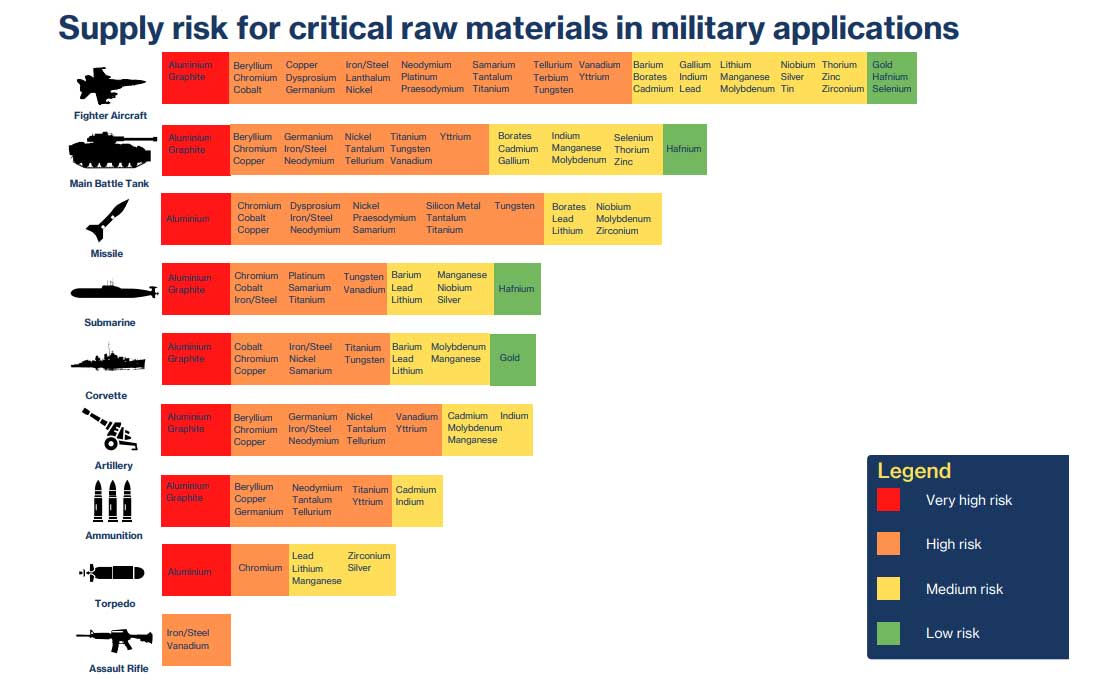
Chart showing 12 defence-critical raw materials, their uses in various weapons systems, and the different levels of vulnerability in their supply chains, agreed by NATO in December 2024. Illustration: NATO
Purpose: Access to a sufficient supply of defence-critical raw materials – such as lithium, titanium and rare earth minerals – is essential to making sure that Allied defence industry can deliver what Allies need, when they need it and in the right quantities. This project will directly contribute to reaching this objective, making NATO less vulnerable to supply shocks and preventing adversaries from holding Allies hostage by denying access to these materials. The Defence Critical Raw Materials (CRM) project will strengthen the resilience of defence supply chains, focusing on the acquisition, storage, transport and management of critical raw materials, components and recycled products essential for defence production.
Participants: Belgium, Canada, Denmark, Finland, Greece, Italy, Luxembourg, the Netherlands, Norway, Spain, Sweden and Türkiye
Status: Established. At the 2026 NATO Summit Defence Industry Forum in Ankara on 7 July 2026, 12 Allies signed an MOU , legally and financially formalising their cooperation on defence-critical raw materials. As a result, the participating Allies will jointly conduct a coordinated acquisition of defence-critical raw materials, create a multinational network of storage facilities, arrange required transportation and manage stockpiling.

Two Italian Air Force Aermacchi M-346 trainer jets flying in formation. Photo: Italian Air Force
Purpose: Delivering state-of-the-art pilot training is an increasingly costly and challenging endeavour. For many European Allies, the national pilot requirements needed each year are too small to justify the establishment or maintenance of national flight centres. To overcome this challenge, the NFTE initiative has created a network of multinational training facilities for fighter jet, helicopter, fixed wing and drone pilots across Europe, leveraging already existing structures to the maximum extent possible. The establishment of the NFTE is significantly decreasing the reliance on US training facilities by making European Allies capable of training their own flight crews in a multinational context. As such, the NFTE serves as an excellent example of transatlantic burden-sharing among NATO Allies from Europe and North America. It is also contributing to NATO’s efforts to train five times as many drone operators by the end of 2027.
Participants: Belgium, Canada, Czechia, Denmark, Finland, France, Germany, Greece, Hungary, Italy, Montenegro, the Netherlands, North Macedonia, Norway, Poland, Romania, Spain, Sweden, Türkiye and the United Kingdom
Status: Delivering. The NFTE initiative was launched in the margins of the 2021 NATO Summit in Brussels. Today, 16 NFTE training campuses are operational and accredited in eight countries across the Alliance. Hundreds of pilot students have benefitted from the NFTE training campuses.

7 July 2026
10 July 2018
9 July 2016