Close
Back

From now on you can download videos from our website
If you would also like to subscribe to the newsletter and receive our latest updates, click on the button below.
Enter the email address you registered with and we will send you a code to reset your password.
The password must be at least 12 characters long, no spaces, include upper/lowercase letters, numbers and symbols.
Click the button to return to the page you were on and log in with your new password.
29 September 2026
1 MIN READ
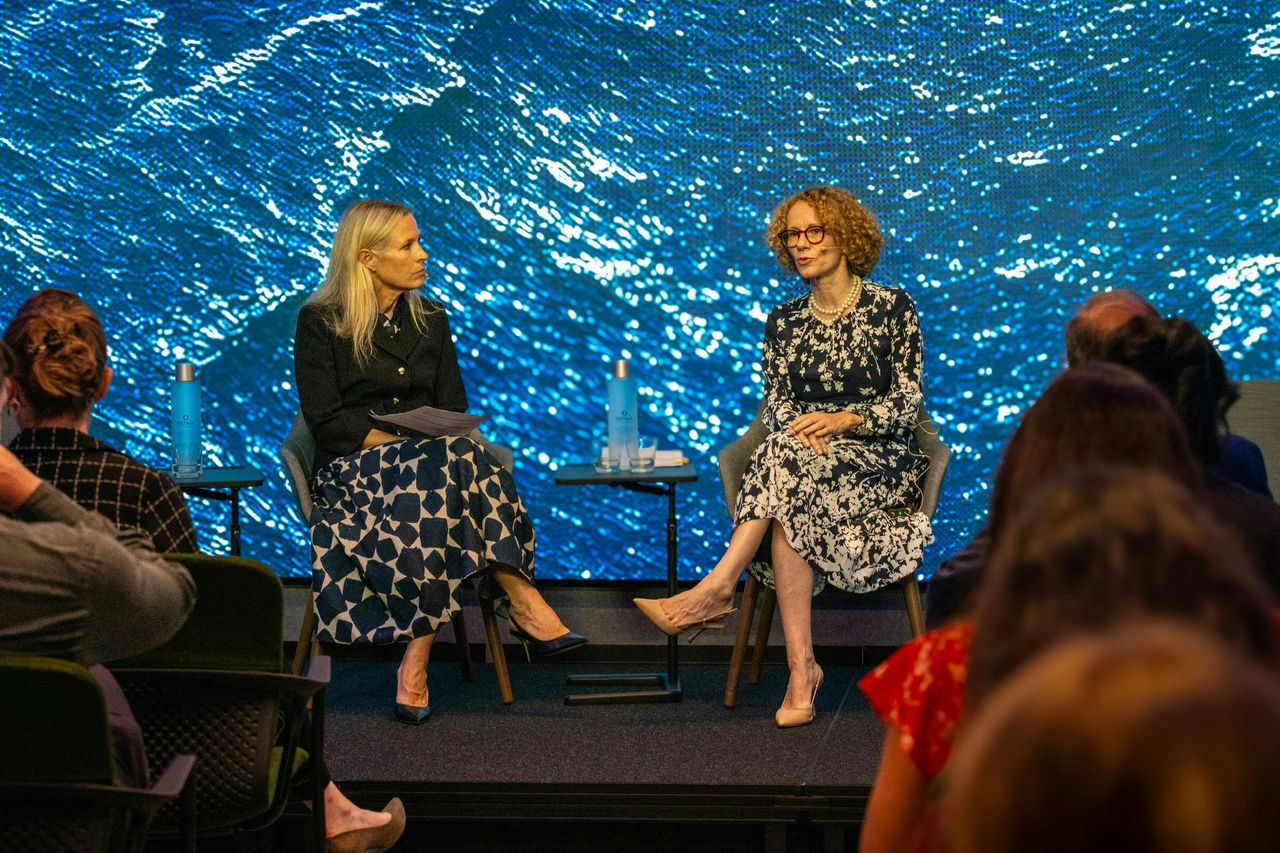
On Tuesday (29 September 2026), Radmila Shekerinska took part in an event in Brussels called “The Transatlantic Outlook: Competitiveness, Security, and Strategic Resilience”. It was jointly organised by Microsoft and the College of Europe Chair of Transatlantic Trade and Economy. It brought together officials from the EU and national governments, academics, and private sector representatives.
The Deputy Secretary General discussed how NATO is responding to an increasingly complex security environment and explained the impact of emerging technologies on defence industries and militaries. Ms Shekerinska said that NATO and Allies are establishing long-term strategic partnerships with key technology stakeholders, such as Microsoft. She also highlighted that NATO closely works with the European Union on cyber defence and digital resilience, while ensuring that their efforts remain complementary.