Close
Back

From now on you can download videos from our website
If you would also like to subscribe to the newsletter and receive our latest updates, click on the button below.
Enter the email address you registered with and we will send you a code to reset your password.
The password must be at least 12 characters long, no spaces, include upper/lowercase letters, numbers and symbols.
Click the button to return to the page you were on and log in with your new password.
Spy missions. International politics. The threat of nuclear apocalypse.
Filmmakers have been making movies and television shows focused on these topics since the early days of the Cold War – and NATO has occasionally taken centre stage in the story.
Cinematic references to NATO have ranged from characters working to prevent a conspiracy aimed at dismantling the Alliance, to enemies stealing hard drives containing the identities of intelligence operatives. These portrayals not only highlight NATO’s military role but also often underscore broader themes of diplomacy, human security and the politics at the heart of the transatlantic Alliance.
The following examples from movies and TV illustrate how NATO is portrayed on screen – with varying degrees of accuracy.




The filmmakers of the post-apocalyptic zombie film 28 Years Later (2025) consulted NATO regarding the depiction of a soldier's uniform.
The movie imagines an alternate timeline in which Swedish forces operate in the United Kingdom and the Republic of Ireland as part of a NATO stabilisation force, 28 years after the outbreak of the “Rage Virus” in the original movie 28 Days Later (2002). One of these troops is a Swedish soldier named Erik Sundqvist (Edvin Ryding), who wears a uniform with a distinctive NATO arm badge.

Evin Ryding in 28 Years Later (2025) (Photo by Terry Blackburn)
In the movie, NATO is depicted as a key military force enforcing the quarantine of the United Kingdom and the Republic of Ireland to contain the Rage Virus. This draws inspiration from the peacekeeping and crisis management roles that the Alliance has played following disasters as part of NATO’s operations and missions.


While making Lord of War (2005), a drama about an illegal arms dealer starring Nicolas Cage and Ethan Hawke, filmmakers had to inform NATO about the use of real T-72 tanks for an arms sale scene filmed in Czechia. Otherwise, NATO’s Joint Intelligence, Surveillance and Reconnaissance system might have mistaken the scene for an actual arms build-up.
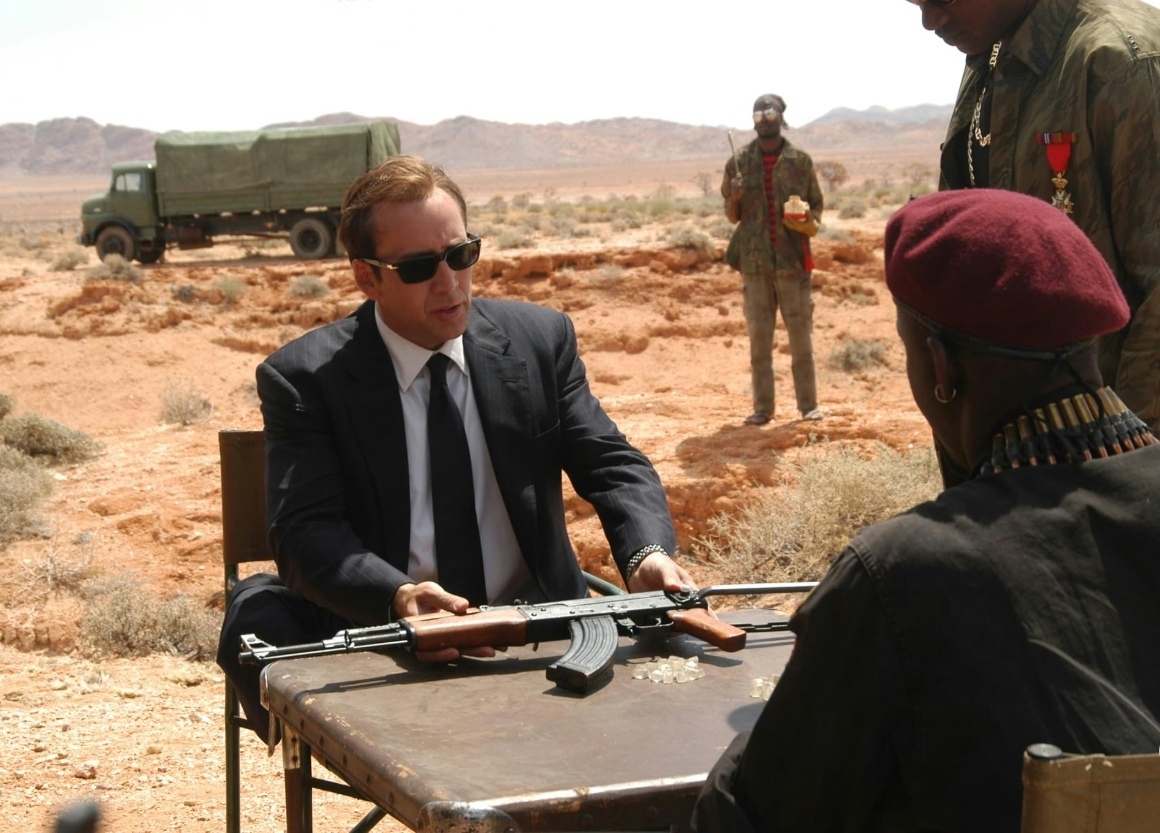
Nicolas Cage in Lord of War (2005) (Photo: Lions Gate Home Entertainment)


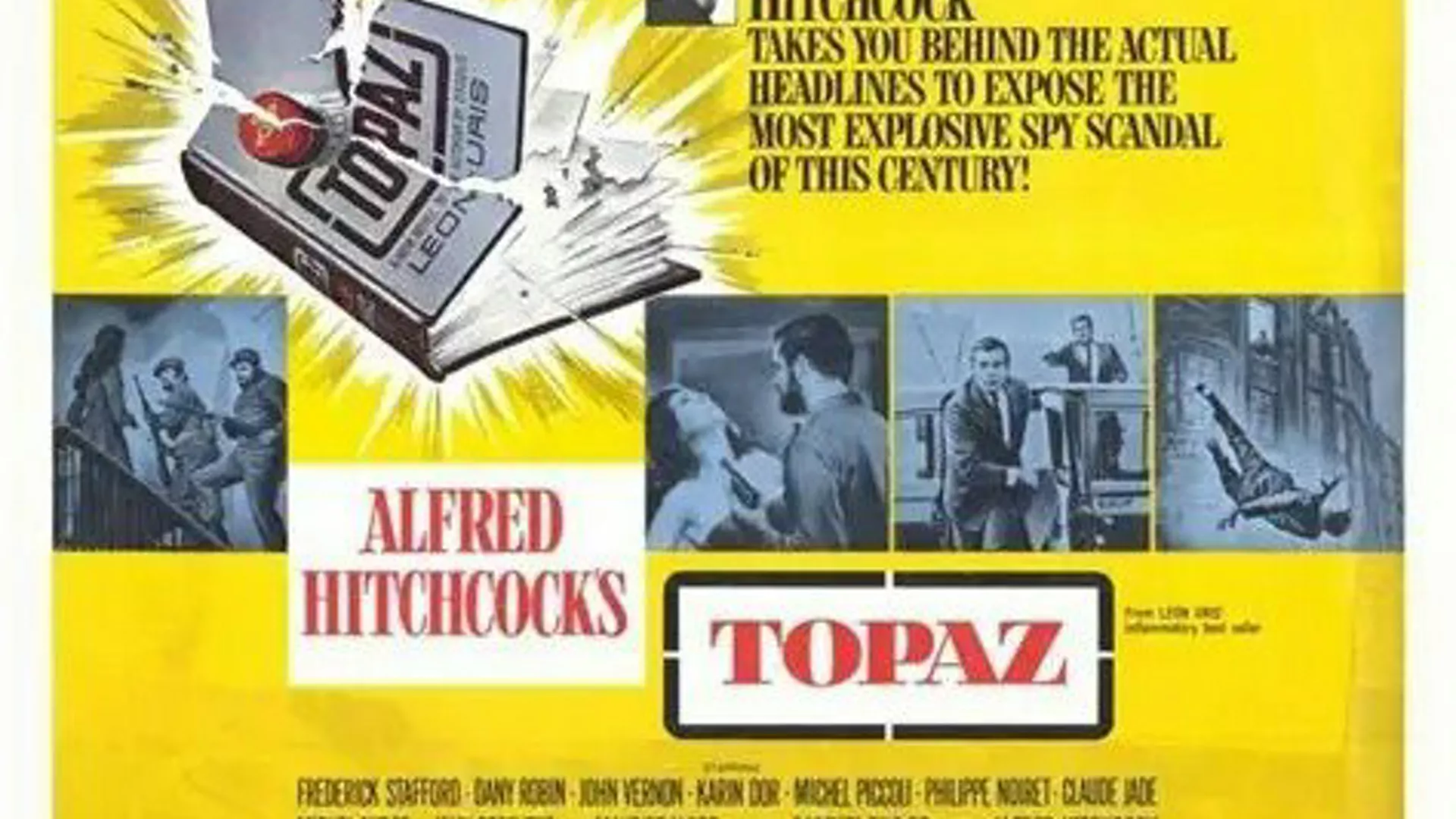
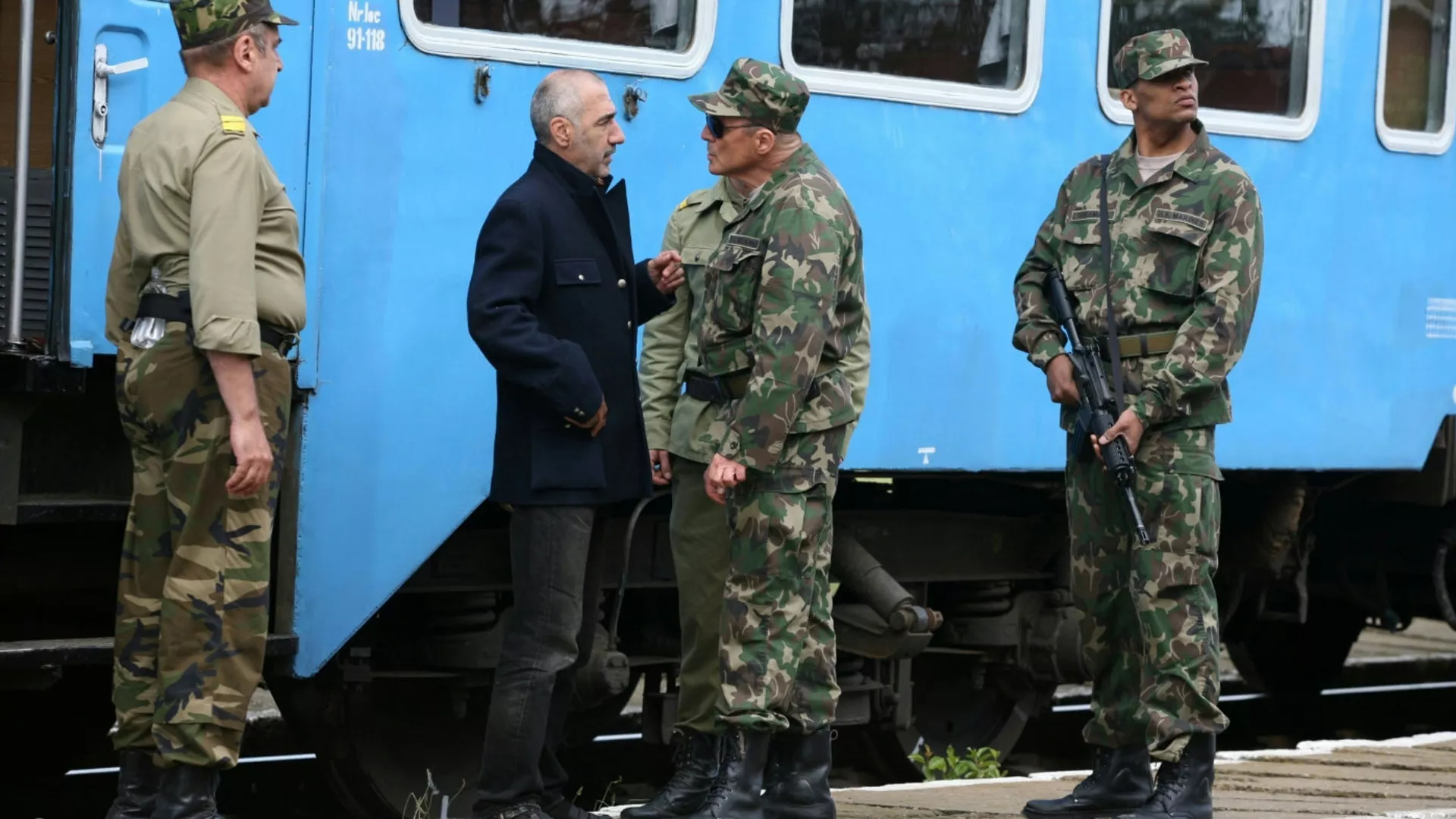
Although most movies produced in Allied countries portray NATO from a positive or neutral perspective, films produced in other countries (notably Russia) sometimes depict the Alliance as an aggressor or antagonist. These films often blend fact with fiction, setting stories in real historical contexts but also using dramatised or selective storytelling to support specific political arguments or narratives about international relations.
The Balkan Line (2019)
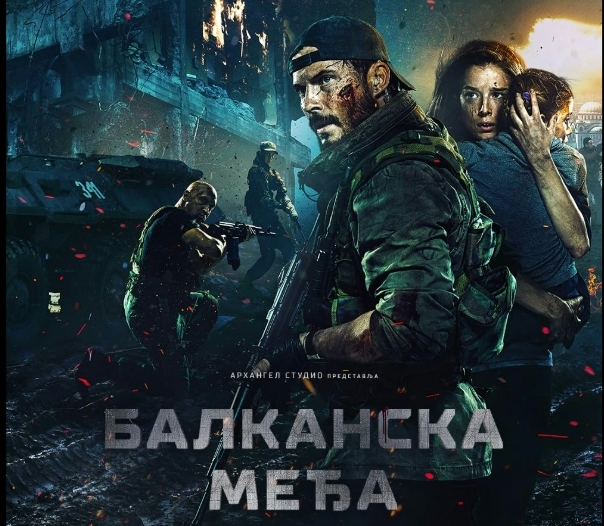
(Photo: De1an)
The Balkan Line is a Russian-Serbian action movie set around the end of the 1999 Kosovo conflict. The film follows a small detachment of Russian GRU agents tasked with seizing control of Pristina International Airport. While the film takes inspiration from a factual backdrop, it diverges substantially from real historical events. The movie was supported financially by state funds from the Russian Ministry of Culture.


