
Close
Back

From now on you can download videos from our website
If you would also like to subscribe to the newsletter and receive our latest updates, click on the button below.
Enter the email address you registered with and we will send you a code to reset your password.
The password must be at least 12 characters long, no spaces, include upper/lowercase letters, numbers and symbols.
Click the button to return to the page you were on and log in with your new password.
28 April 2026
2 MIN READ
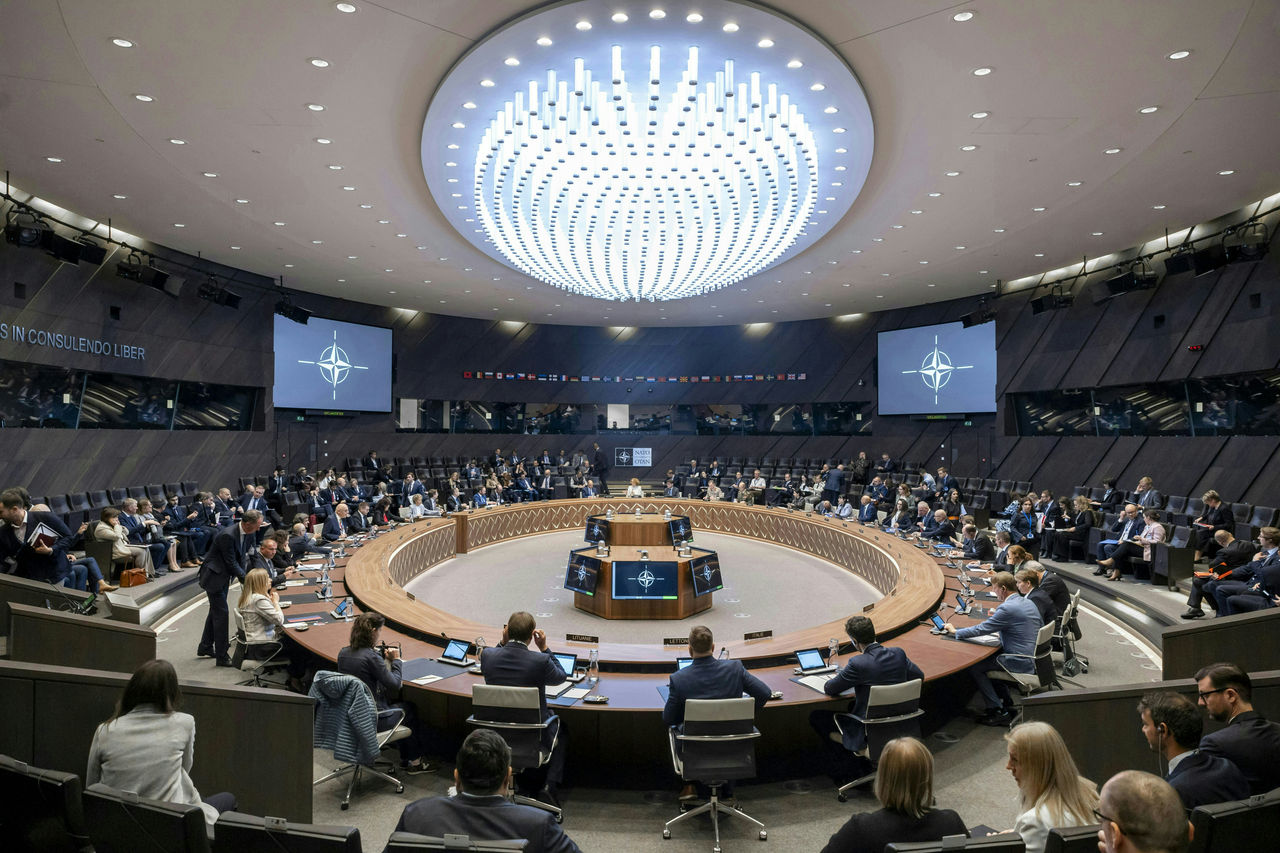
On Tuesday (28 April 2026), senior national officials for resilience met at the NATO Headquarters to discuss progress in boosting resilience-related investments. Experts from all NATO Allies exchanged views and knowledge with the aim of better protecting our societies. To prepare the Alliance for future risks and threats, close cooperation between NATO, national militaries, and civilian authorities is essential. This cooperation helps strengthen resilience across all sectors.
Allies are investing heavily to deliver on the historic commitment made at the summit in The Hague to spend 5% of national GDP in core defence and defence and security-related capabilities. This includes investments in infrastructure, defence industry and resilience. Senior officials also launched the update of NATO's Baseline Requirements for Resilience.
All this work is crucial. And it has to be executed now - not tomorrow. Our ability to deter, to defend, and to execute the NATO plans relies on our ability to reinforce and sustain.
For the first time, the meeting included a joint session between senior national officials responsible for resilience and national logistics directors. This helps build closer intra-governmental and whole-of-society cooperation and improve how countries work on delivering Host Nation Support. By bringing together civilian and military expertise, Allies are working to enable the NATO’s collective defence.
If the enablement of SACEUR’s Area of Responsibility is the “what,” then Host Nation support is certainly a major part of the “how.” I think I can say we are all aligned as to the “why”.