Close
Back

From now on you can download videos from our website
If you would also like to subscribe to the newsletter and receive our latest updates, click on the button below.
Enter the email address you registered with and we will send you a code to reset your password.
The password must be at least 12 characters long, no spaces, include upper/lowercase letters, numbers and symbols.
Click the button to return to the page you were on and log in with your new password.
31 January 2019
2 MIN READ
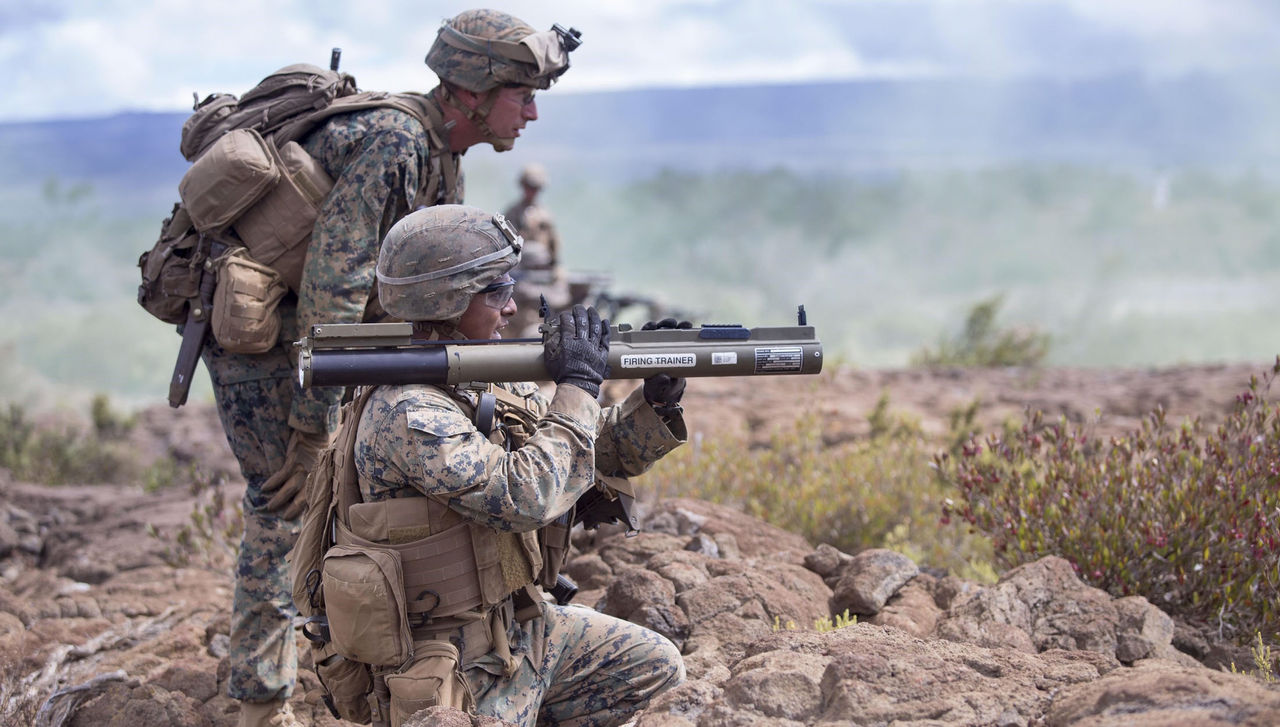
Denmark, France and the Netherlands have received the first shipment of new anti-tank weapons under the multinational NATO project Land Battle Decisive Munition (LBDM). The munitions were delivered, after only six months, through the NATO Support and Procurement Agency (NSPA). The NATO project involves 16 Allies and three NATO partners. The acquisition of LBDM will further strengthen NATO’s collective defence.
This delivery follows the signing of a Memorandum of Understanding (MOU) by Defence Ministers at the NATO Summit in Brussels in July 2018. The LBDM project allows Allies to acquire land munitions, including mortars, artillery shells, rockets, and missiles, in a more cost-effective and flexible way. The fast delivery timeline demonstrates that multinational cooperation can enable Allies to tackle shared requirements in a cost and time efficient way.
At the MOU signing ceremony in July 2018, NATO Deputy Secretary General Rose Gottemoeller said the project “will increase our ability to share our munitions and work more smoothly and effectively in the field. Over time, this initiative will help our troops to increase their interoperability and effectiveness where it is needed most.” Ms. Gottemoeller noted that this will also “help to reduce costs, enabling our rising defence budgets to go even further.”
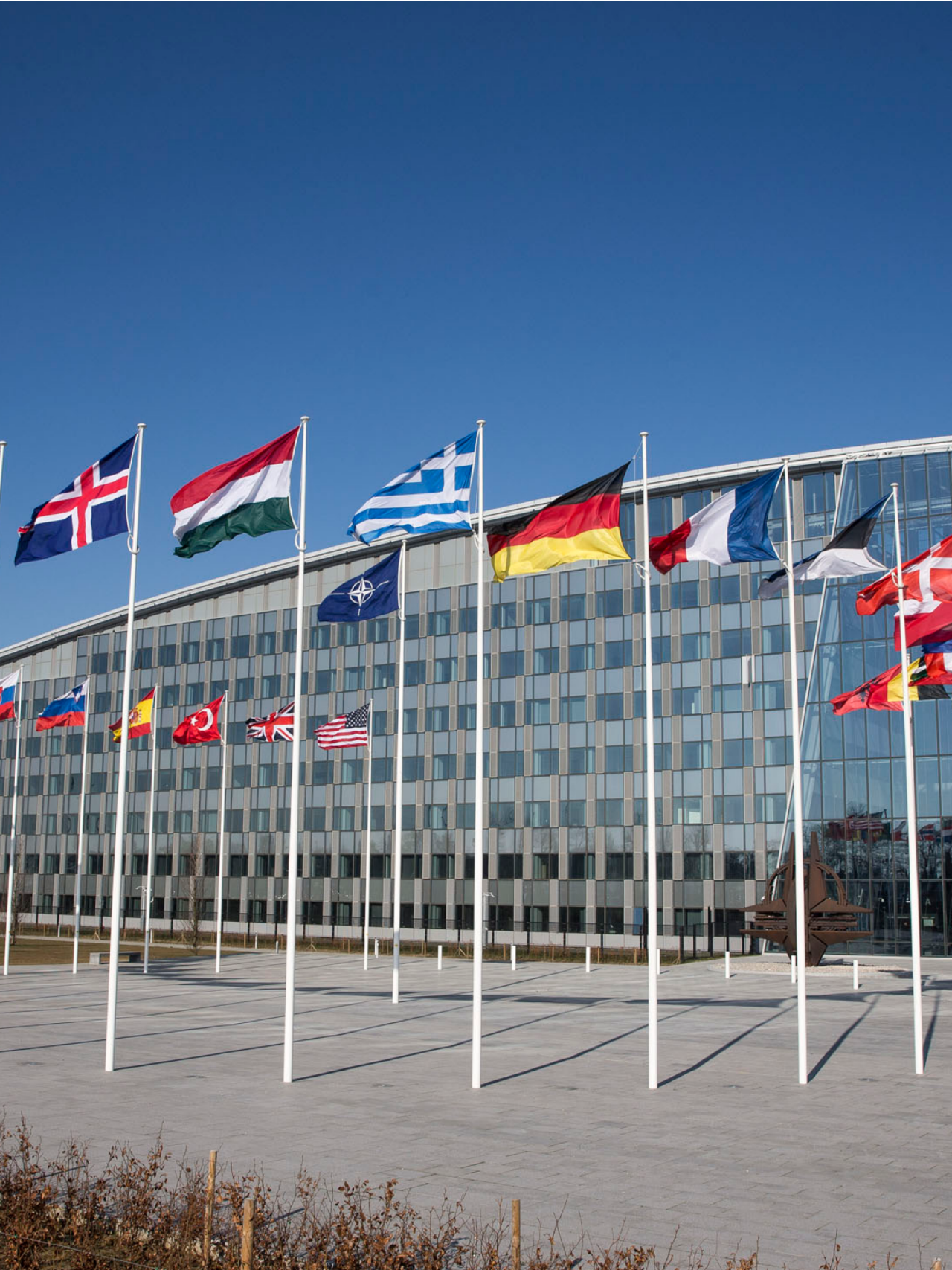
The project is managed by the NSPA on behalf of the Allies. So far, 16 NATO members have joined this effort: Belgium, Denmark, Estonia, France, Germany, Italy, Latvia, Lithuania, Montenegro, the Netherlands, Norway, Poland, Portugal, Slovakia, Slovenia, and Spain. NATO partners Austria, Finland, and the Former Yugoslav Republic of Macedonia¹ are also participants. More Allies and partner nations have already expressed an interest in joining the initiative.