Close
Back

From now on you can download videos from our website
If you would also like to subscribe to the newsletter and receive our latest updates, click on the button below.
Enter the email address you registered with and we will send you a code to reset your password.
The password must be at least 12 characters long, no spaces, include upper/lowercase letters, numbers and symbols.
Click the button to return to the page you were on and log in with your new password.
11 July 2018
1 MIN READ

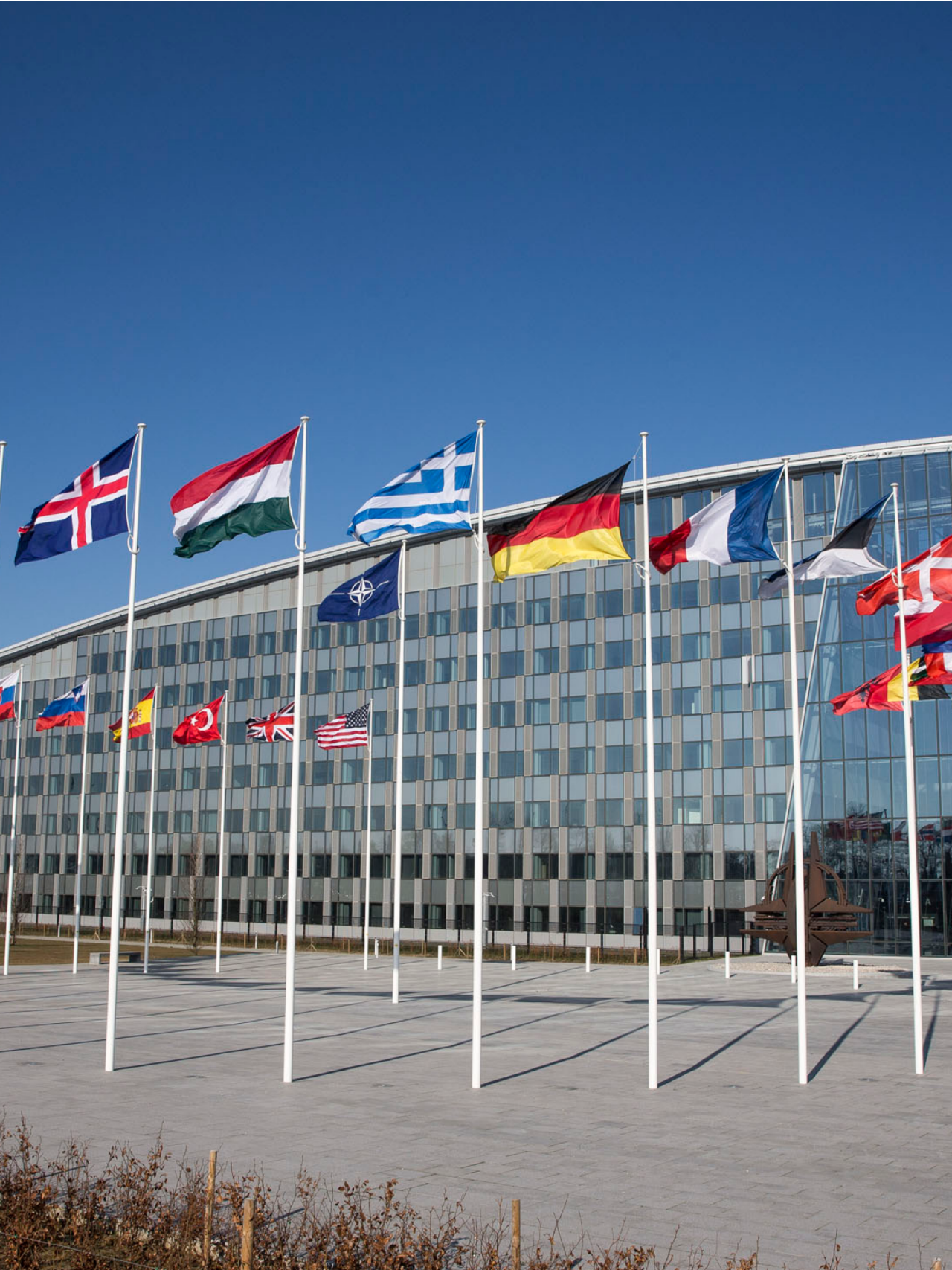
Seven NATO Allies are signing a Letter of Intent on Multinational Cooperation for the Provision of Maritime Battle Decisive Munitions (MBDM) in Brussels during the NATO Summit (11 and 12 July 2018). Under this agreement, Belgium, France, Italy, Netherlands, Poland, Portugal, and Spain plan to combine munitions purchases in order to achieve economies of scale – and thus lower prices. The potential establishment of common warehousing solutions could lower costs even further. The plan covers a broad range of munition types, including surface-to-air and surface-to-surface missiles, torpedoes, and gun shells.
NATO’s Assistant Secretary General for Defence Investment, Camille Grand, welcomed the initiative, calling it “an important first step on the road towards creating European stockpiles of high quality maritime munitions to meet our evolving needs. Over time, it will increase our interoperability, our ability to share our munitions and to work smoothly and effectively together, whatever the circumstances.”
This initiative follows similar efforts by NATO Allies and partners within the air and land domains. The first joint acquisitions are expected in the near future.